What Happens in a Kids or Jr. High Class and Why
From video teaching to small groups to the take-home card, every part of a One Story Kids or Jr. High session was chosen for a reason. Here's what's behind the format.

The Why Behind the What: Understanding One Story Kids and Jr. High
If you’ve ever led with One Story and wondered why the session is built the way it is — why there’s a video instead of live teaching, why small groups matter so much, or why that take-home card keeps showing up in kids’ hands — this is for you. Every segment in a One Story session was chosen on purpose. Here’s the reasoning behind each one, for both Kids and Jr. High.
Conversation Starter
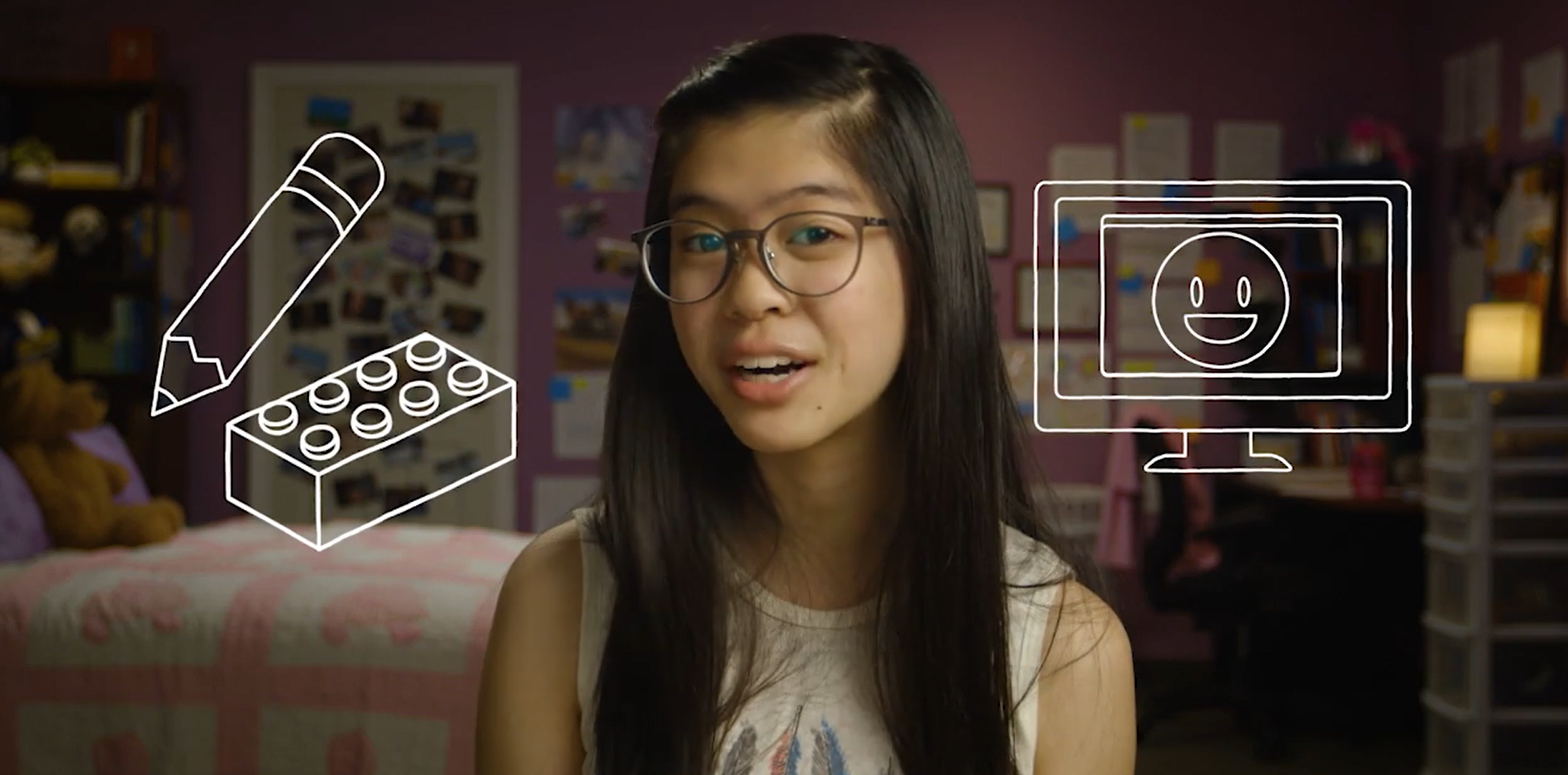
The conversation starter is a question or two that brings everyone into the discussion right away. It introduces or points toward the Big Idea for the day, and it’s a great tone-setter for the group’s time together — often happening while another leader takes attendance. For Jr. High groups especially, it also does double duty as a way to help everyone feel welcome and start building community from the first minute.
It’s only meant to take a couple of minutes. Short, simple, and it gets everyone in the room.
Intro Activity
Designed to run about five minutes (though it can stretch depending on group size), the intro activity helps explain the Big Idea and prepares kids or young people for the video teaching to come. It usually happens in a large group but may break into smaller ones.
This activity is built with extra intention: while the conversation starter is discussion-based, the intro activity will sometimes be active, tactile, or small-group based, specifically to engage different learning styles.
Video Teaching
Why video instead of live teaching? It's a deliberate choice, for four reasons:
Theological alignment. Pre-produced videos let us ensure the message has theological consistency.
Quality kids and young people deserve. High-quality, well-prepared content shouldn't depend on asking every volunteer to invest the time live teaching requires. Each video script was researched by pastors and theologians.
Focus. Editing means every word counts and timing stays tight — live teaching makes it easier to follow rabbit trails or lose focus.
Community and leadership development. Video teaching opens the door for gifted communicators across the wider church body to share their skills more broadly, bringing in new voices and creating leadership development opportunities along the way. Video teaching also helps train volunteers in effective communication for when they do choose to live teach.
Within the video itself, several segments work together:
Hosts introduce the video, recap the God Story, introduce the Life Story, and recap it — providing a cohesive thread through the whole teaching. About 30 seconds each.
God Story shares the biblical narrative in a way kids and young people can understand and apply, giving the larger context of where a passage lands in the whole story of Scripture. Roughly four to five minutes.
Life Story connects the Big Idea to a real person's real life — our version of a testimony. Also four to five minutes.
Question Time gives kids a moment to absorb and apply what they just watched, usually following both the God Story and Life Story. One to two minutes each.
Game Time reinforces the Key Verse through a quick, gamified minute of play.
Small Group Activity
After the video, small groups review the teaching, answer questions, and set up how the Big Idea applies to daily life — always including discussion questions plus a craft or activity that helps kids personalize the message.
We use small groups because we believe kids and young people learn best in community. It's also simply less intimidating to share ideas and ask questions in a small group than in front of the whole room.
Prayer Activity
The prayer activity encourages kids to discover new ways to talk to God and gives space to pray together. Over time, it helps kids grow more comfortable with prayer as a normal, natural part of their faith.
Key Verse Activity
This isn't simple memorization. The Key Verse activity helps kids absorb and digest a verse in a way that has real meaning for their lives — the hope being that these are verses they'll carry with them for the rest of their lives, understanding what they mean, not just able to recite them.
Take-Home Card
The take-home card is the primary way parents and caregivers find out what their kids learned and experienced. While parents can (and should!) ask directly, the card offers a clear, factual summary — plus questions to ask on the ride home and discussion ideas for the week ahead. It's a small tool doing a big job: connecting parents and the church in discipling kids well.
Every piece of a One Story session is there for a reason. None of it is filler — it's built to help kids and young people actually know Jesus, not just hear about him.
Sign up for your Free Sampler account today!
Get instant access to everything you need, and more than you could ever imagine, for every ministry moment. Thousands of lessons, games, activities, crafts, and worship media assets are ready for you!
Create Free Sampler Account