Why Your Preschooler's One Story Class Looks the Way It Does
Ever wonder why free play, circle time, and a craft all make the cut in your preschool class? Here's the thinking behind every piece of a One Story early years session.
The Why Behind the What: Understanding One Story Early Years
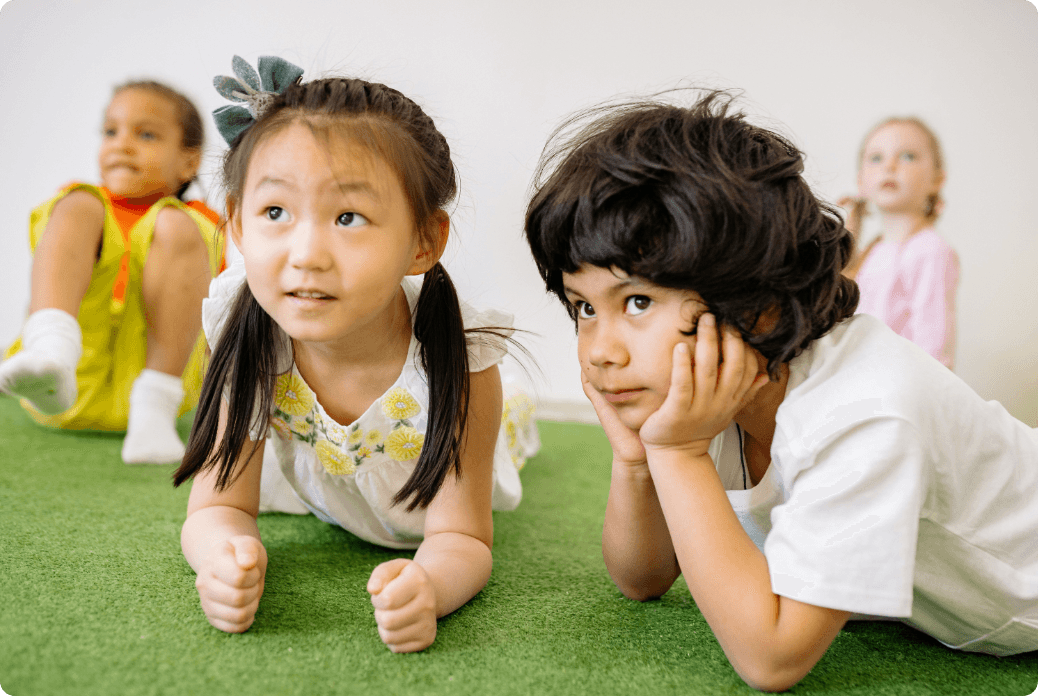
Younger children learn differently than older kids — through movement, repetition, and hands-on discovery, long before they can sit still for a ‘lesson.’ That’s exactly what shapes a One Story early years session. Every segment, from the moment a child walks in the door to the moment they leave with a craft in hand, was built with how little ones actually learn in mind. Here’s the reasoning behind each one.
Free Play
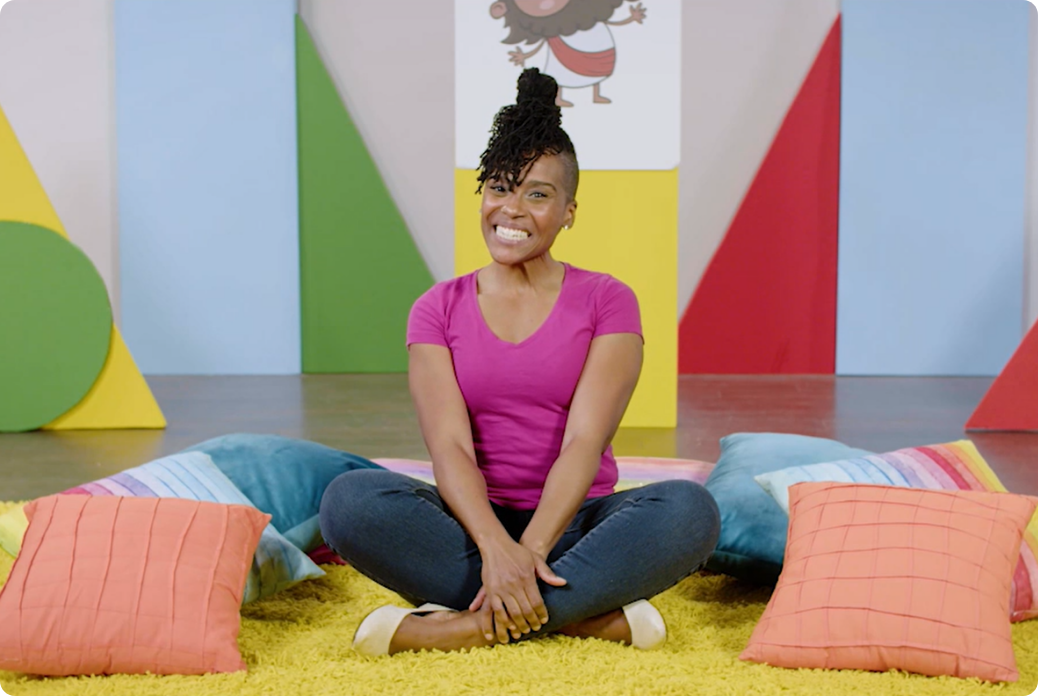
Free play activities — there are usually two — are set up so children can start playing the moment they enter the classroom. These often point toward the Big Idea or God Story for the day, giving children an early, low-pressure introduction to the theme. A leader will typically invite one child, or a pair of children, to join them in the activity.
Active/Imaginative Play
This activity brings a larger group of children together, helping transition their minds and bodies from the smaller, individual rhythm of free play into the more focused rhythm of Circle Time. It’s meant to be led with enthusiasm, as an open invitation for every child to join in.
Circle Time
Circle Time is the heart of the class — the true content-teaching-spiritual-formation portion of a child’s experience. While children learn all throughout the session through play, activities, crafts, and songs, Circle Time is when the God Story is presented directly, and children are pointed clearly to Jesus.
We value Circle Time because:
We highly value children and believe they can learn — even at the earliest ages — the beauty and importance of God’s story.
We love community. Children enter Circle Time together, learning side-by-side and from one another.
We love the aspects of music, Bible stories, and learning a Key Verse together.
Within Circle Time, a few elements work together:
Music. Children learn through music — through repetition, and through the experience of singing itself. It matters enough to us that we’ve developed original music tied directly to our curriculum and Big Ideas. Leading music can feel uncomfortable for adults, but it’s worth the courage it takes, because it’s genuinely engaging and fun for children.
Bible Story. Each Bible story is chosen as part of a larger two-year scope and sequence — a journey through the whole of Scripture, from “in the beginning” through to the church we’re still part of today. Bibles are selected based on theological clarity and how well the story comes across to children. Leaders help bring these stories to life by asking age-appropriate questions and inviting children into the story in creative ways.
Key Verse. This isn’t simple memorization. The Key Verse activity helps children absorb and digest a verse that has real meaning for their lives — memorization matters, but only alongside understanding. The hope is that children learn both the verse and what it means, carrying it with them for years to come.
Video. Within Circle Time, and later, with the Prayer Time, we do have video segments. Music, the Bible story, and Key Verse are all offered as video. These can be used to train the leader who is presenting these times or can be utilized in the classroom depending on your church’s preference.
Craft
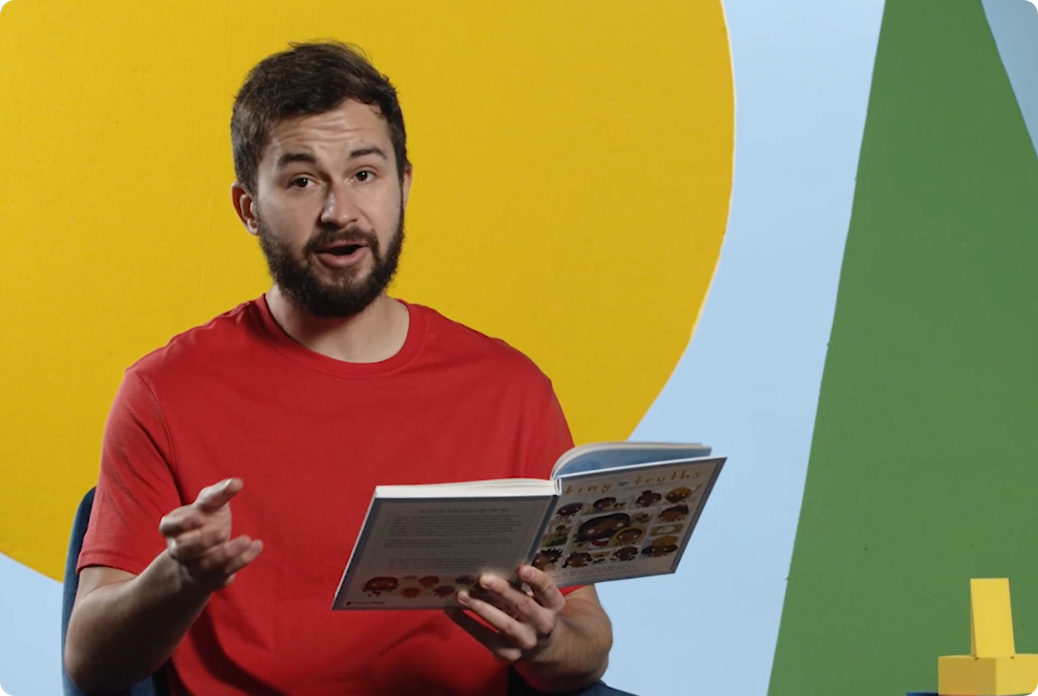
The craft helps children remember the Bible Story, Big Idea, or Key Verse, and gives them a way to consider or apply it in their own lives. It’s designed to become a visual reminder at home — something that sparks a conversation about Jesus or a spiritual practice long after class ends.
Small Group Activity (4–5-year-olds only)
For kindergarten-aged children, small groups create space to actually discuss the teaching and its application in community. Even at this age, children have a real capacity to learn from one another in smaller settings.
We use small groups because we believe this is a great way for children to learn and be in community together. It’s also simply less intimidating for a child to share an idea or ask a question in a small group than in front of the whole room.
Take-Home Card
The take-home card is the primary way parents and caregivers find out what their child learned and experienced in class. While parents can (and should!) ask directly, the card offers a clear, factual summary — plus questions to ask on the way home and activity or discussion ideas for the week ahead. It’s a small tool doing a big job: connecting parents and the church in discipling children well.
Every piece of a One Story early years session is there for a reason — built around how young children actually learn, so that even the littlest ones can begin to know Jesus.
Sign up for your Free Sampler account today!
Get instant access to everything you need, and more than you could ever imagine, for every ministry moment. Thousands of lessons, games, activities, crafts, and worship media assets are ready for you!
Create Free Sampler Account