How to Talk to Kids About Giving
Talking about money with kids can feel awkward, but generosity is part of following Jesus. This guide helps ministry leaders and parents talk to kids about giving in ways that are hopeful, relational, and age-appropriate.

Let’s be honest. Culturally, most of us find talking about money a little weird. Awkward. Uncomfortable. And talking to kids about giving can feel especially tricky.
We don’t want to make it awkward. We don’t want it to sound like pressure. And we definitely don’t want kids to think giving is just “something adults do when the offering plate comes around.” (If there even is an offering plate.)
But Scripture is clear: generosity is not an adult-only spiritual practice. Giving is part of how we follow Jesus, and kids are invited into that story too.
So how do we talk about giving in a way that feels meaningful, hopeful, and age-honouring? Let’s start by reframing what giving actually is.
In This Article
Why giving isn’t about losing something
How to explain generosity as a response to God’s love
Practical ways to involve kids in giving
Simple ways families can practice generosity together

It’s Not About Losing Something
When kids hear the word giving, many of them hear losing.
Losing money.
Losing a toy.
Losing something they like.
That makes sense. Kids live in a world where resources feel small and personal. A few coins can feel like everything.
So instead of starting with what we give up, we start with why we give.
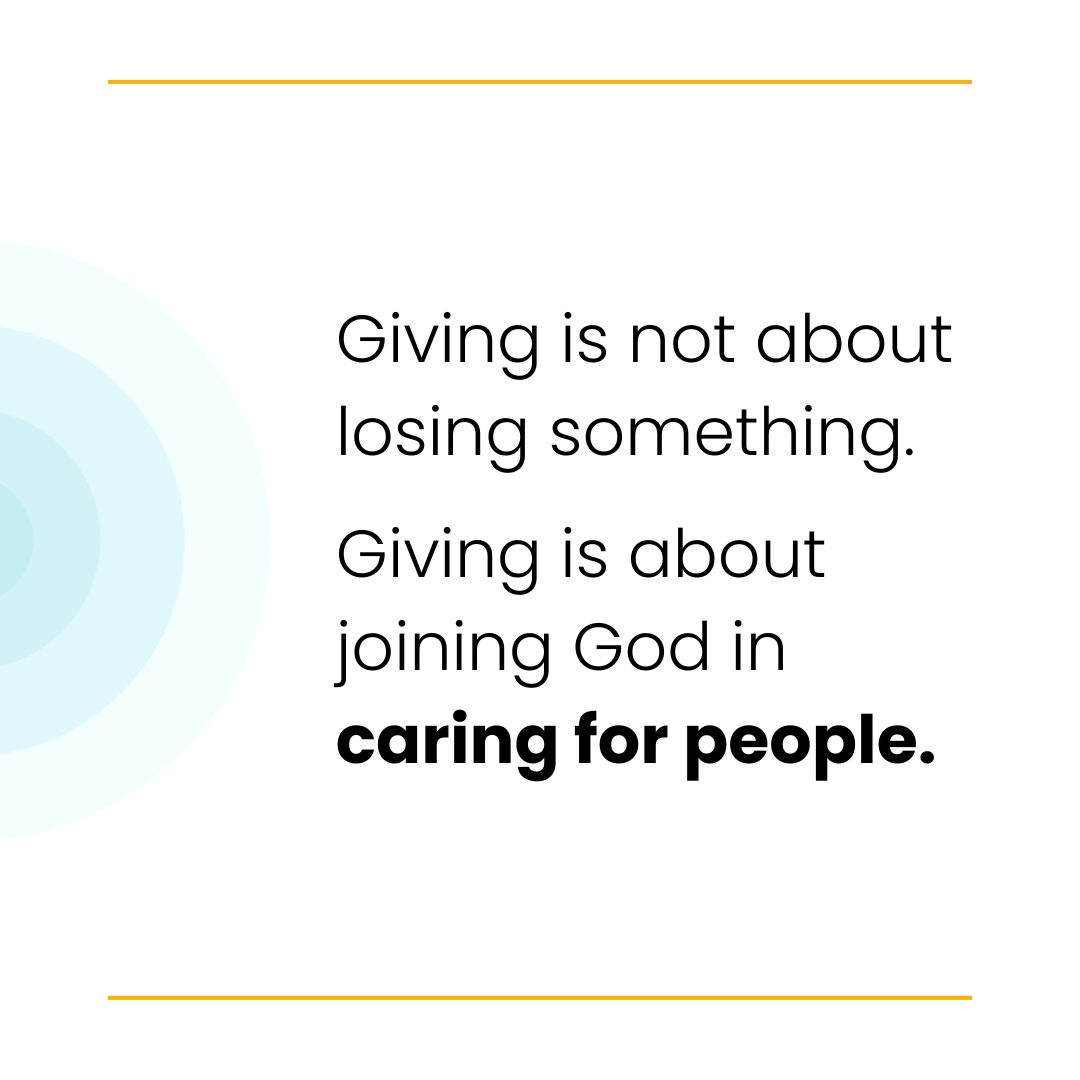
Giving is not about losing something.
Giving is about joining God in caring for people.
God is generous. Everything we have comes from Him. When we give, we’re practicing being like God.
Giving Is a Response, Not a Requirement
One of the most important things kids need to know is this: we don’t give to make God love us.
God already loves us. More than we could ever imagine.
We give because God has been generous to us first. Giving is a response to love, not a way to earn it.
When kids understand this, generosity stops feeling like pressure and starts feeling like participation.
Keep It Simple
Kids don’t need a sermon on budgets or church operations. They need clear, concrete language.
You might say something like:
“When we give, we’re helping the church care for people, tell others about Jesus, and help those in need. God lets us be part of that.”
Short. Honest. Hope-filled.
Make Giving Visible and Relational
Giving becomes meaningful for kids when they can see where it goes.
If possible, show and tell about:
People the church helps
Ministries the church supports
Ways giving makes a difference locally or globally
Kids connect generosity to faces and stories much faster than to abstract ideas. Instead of “the church needs money,” they hear, “we’re helping people in Jesus’ name.”
Invite Kids to Participate
Kids don’t need to be told to sit quietly while adults give. They need to be invited in.
That could look like:
Letting kids bring the offering to church
Giving them a small amount to decide how to share
Talking together about what to give and why
When kids are trusted with generosity, they grow into it.
The Give, Save, Live Idea

When my daughter was young, we used Give, Save, Live jars. Three jars. Three labels.
Each time she received money, she decided where it would go.
Give was brought to church or shared with a local organization.
Save was for bigger items or future, non-specific purchases.
Live was for those real-time moments: a small toy, a treat, or a candy bar.
Those jars gave her agency with her money while teaching her how generosity fits into everyday life.
Teach Giving as Worship
Giving isn’t just a practical thing we do. It’s an act of worship.
When kids understand that giving is a way to say “thank you” to God, it becomes relational instead of transactional.
You might say:
“When we give, we’re telling God we trust Him and we’re grateful for what He’s given us.”
That’s a powerful idea for a child.
Let Kids Lead Generosity at Home
Kids learn generosity best when they get to practice it regularly.
Alongside Give, Save, Live jars, other simple ideas include:
Letting kids choose a cause to support
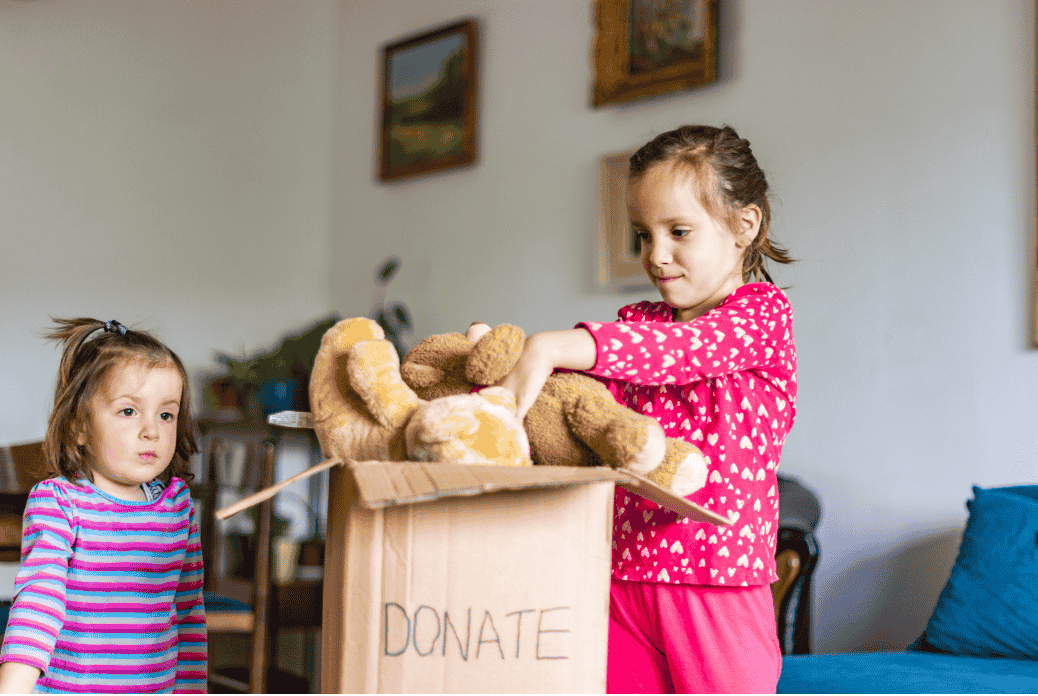
Collecting items for people in need together
When kids help lead these moments, generosity becomes part of family life, not just church life.
And remember, kids watch far more than they listen.
If giving feels tense, secretive, or stressful, kids will absorb that. If giving feels joyful, intentional, and hopeful, they’ll absorb that too.
Talk about giving with gratitude, not reluctance. Let kids hear why you’re thankful to give.
The Heart of It All
Giving isn’t about money.
It’s about trust.
It’s about love.
It’s about becoming more like Jesus.
When we talk to kids about giving, we’re not just teaching them how to put something in a plate or a box. We’re shaping generous hearts that understand God’s goodness and want to reflect it to the world.
And that’s a lesson worth passing on, one small act of generosity at a time.
Sign up for your Free Sampler account today!
Get instant access to everything you need, and more than you could ever imagine, for every ministry moment. Thousands of lessons, games, activities, crafts, and worship media assets are ready for you!
Create Free Sampler Account